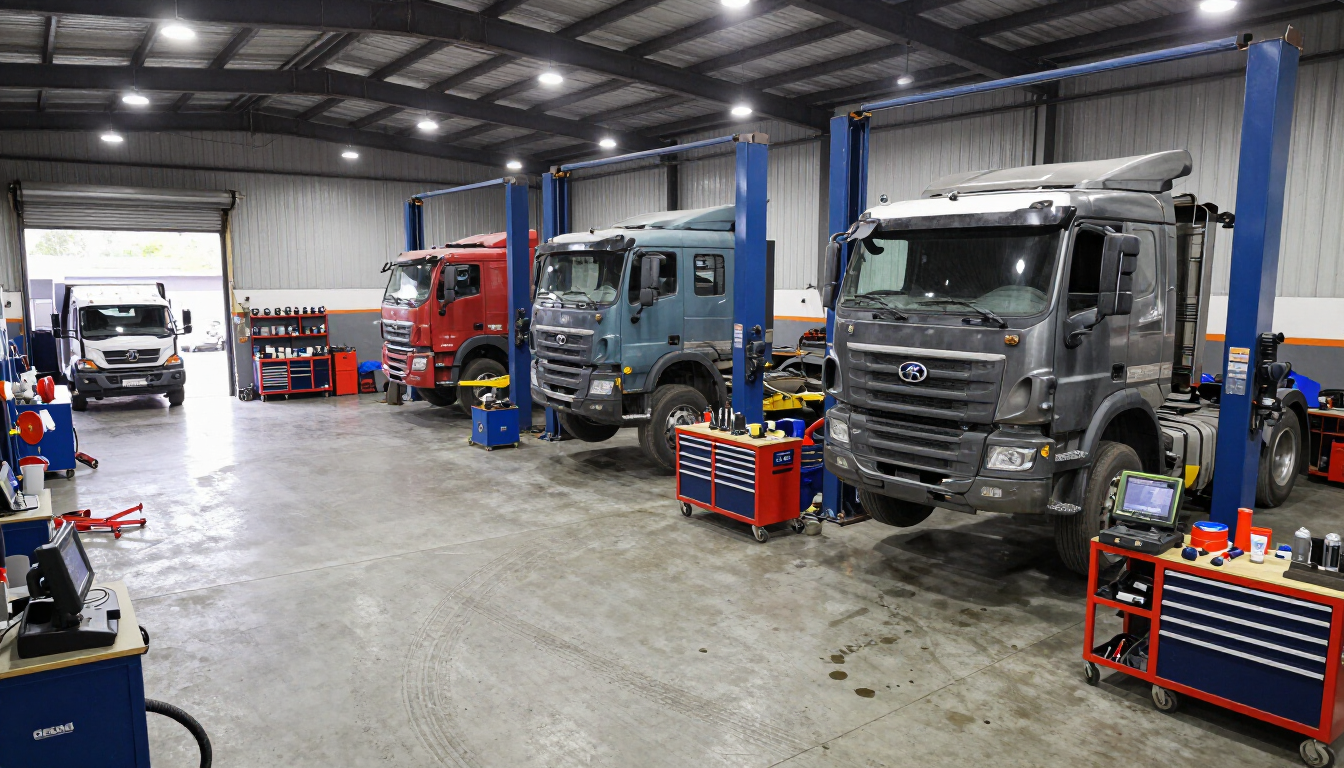
Common Vehicle Problems We See Here in the Northern Territory
While fatigue-related issues remain most common, there is one unique issue we face here that we can't escape from in the heat of the Australian desert: vehicles overheating.
The vehicle's radiator (the part that keeps all the heat out of the engine) is located metres away from the road. With temperatures during the outback summer consistently reaching 40-45 degrees Celsius, the bitumen temperatures soar over 70 degrees Celsius. To avoid steam coming out of your bonnet, your temperature gauge needs to be your best friend when road tripping in the Central Australian summer. In typical operation, the temperature gauge on your dashboard shouldn't wiggle at all, remaining firmly at the halfway mark. Early signs of overheating include the gauge starting to rise or your air conditioning cutting out.
If you catch your temperature gauge wiggling off its normal position, slow down, take 10 kilometres off your top speed and see what happens. If you think you're hallucinating, go back up to speed, then watch the needle (safely, of course). After monitoring, if it moves past the halfway point, lift your foot off and slow down to give the engine a chance to cool down.
Don't stop all the way just yet. Just slow down. Say you are going 120 km/hr, peel it back to 90 km/hr and just do that for five minutes. If the temperature gauge continues to climb, you've entered a danger zone, so we recommend it's better off stopping at that point. Out here in the NT, road speed limits can hit around 130 km/hr, so driving at 60 is highly dangerous and can put yourself and others at risk of an accident. If the temperature gauge doesn't come down at all, we advise you to shut the vehicle down and seek help. A specialist can help diagnose the problem and fix it, whether it's cleaning out the radiator or dealing with a really old system that needs repair.
However, if you're road tripping, our number one recommendation to avoid overheating is to keep the radiator clean. If you have been off in the bush, keep the area clean of grass and bug guts, as they can block the radiator externally, causing the system to overheat. Of course, prior to leaving, preventative maintenance is key, so have someone confirm the system is operating at 100%.
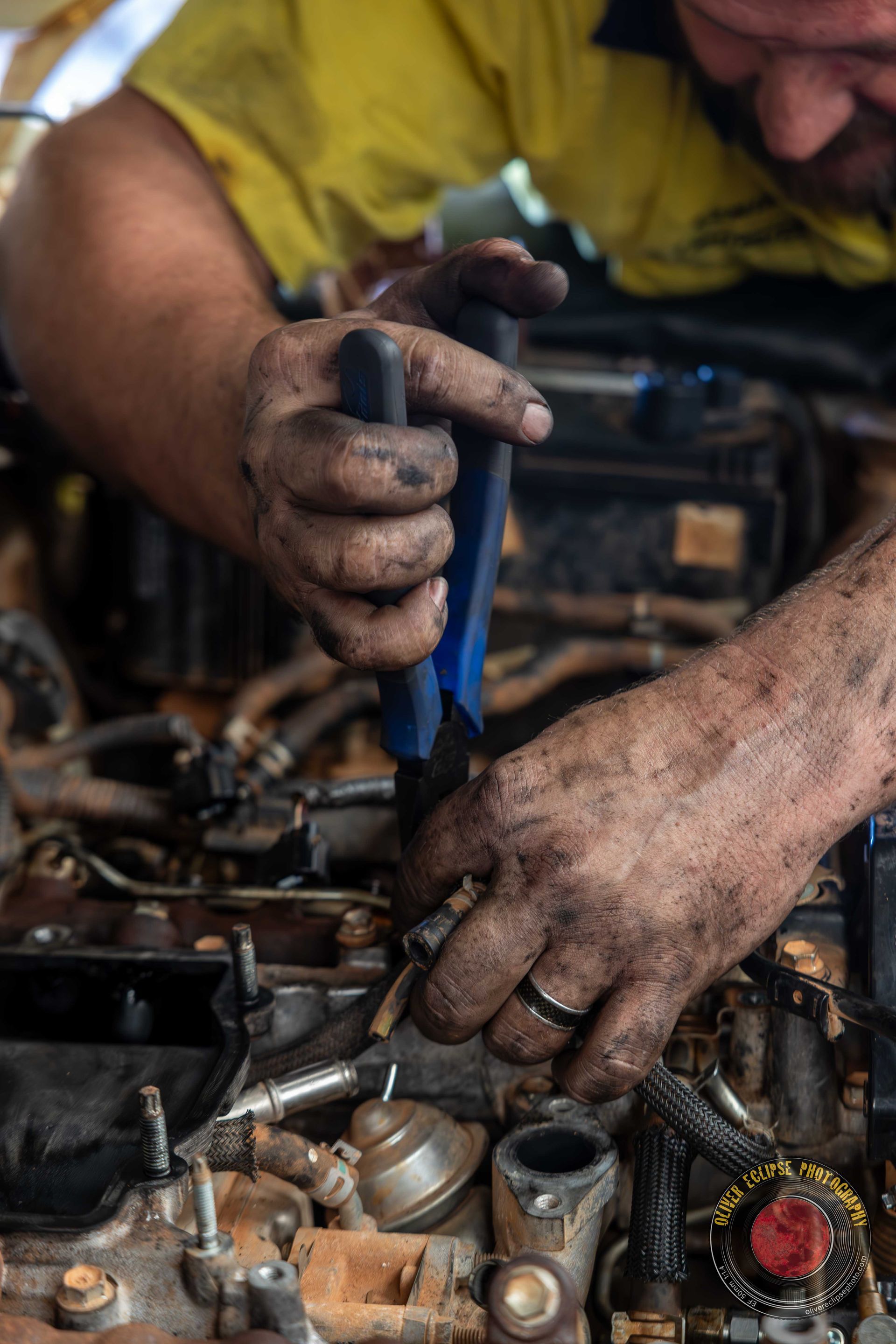
Tip: if you're someone who likes accessories, you've got to get yourself a WATCHDOG. It will beep at you when your cooling system gets too hot, which can be due to the grass seeds or coolant loss. We also like the RedArc low water alarm, but this is restricted to water loss only.
Another common issue we see is dirty fuel or contaminated fuel. Most modern systems have a light on the dashboard to tell you when it's blocked, don't ignore this. We recommend going and getting a new fuel filter (they're cheaper than injectors). We usually replace our own fuel filters every 15,000 kilometres unless it's a petrol engine. We regularly see customers continuing to drive with that light on the dashboard, which actually creates more damage. A specialist will help diagnose the issue with your tank, which may require a cleanout or a change of fuel supplier.
Before your next adventure, contact us to book a preventative maintenance service to protect your vehicle from these problems and keep you moving.